The Ultimate Kenya Safari:Photography Guide by Season:
Written from Nairobi, Kenya · By the Vard Africa Team · 2026.
The Ultimate Kenya Safari Photography Guide by Season — Vard Africa
From the Maasai Mara at dawn to elephants beneath Kilimanjaro — the definitive guide to Kenya safari photography by season. Curated by Vard Africa, on the ground in Nairobi.
There is a kind of light that only exists in Kenya. It arrives twice a day in the forty minutes after sunrise and the forty minutes before sunset and during those brief windows, the Maasai Mara and the Amboseli plains and the Samburu valleys glow with a warmth so deep, so perfectly golden, that even seasoned photographers find themselves briefly unable to raise their cameras. You just look. And then you shoot, and what you have is something you will spend the rest of your life trying to explain to people who were not there.
We want to say something honest before we go any further.
Most safari photography guides you will find online are written from behind a desk by people who have read other guides. They tell you the same things go in July for the Migration, go to Amboseli for elephants, pack a 600mm lens. None of it is wrong. Very little of it is truly useful.
The Vard Africa team is based in Nairobi. We visit every property we work with personally. We have watched the Mara River crossings more times than we can count and they still stop our breath. We know which side of the Serengeti Plains the light falls on at 6am in August. We know the exact week in January when the light over Amboseli and Kilimanjaro reaches a quality that professional wildlife photographers travel specifically to capture. This guide is built from that knowledge and from a deep, genuine love for one of the most photographically extraordinary countries on earth.
“Kenya does not just offer you wildlife to photograph. It offers you light, space, drama, and a sense of scale that no camera can fully contain. The skill is in understanding when to be where and having the right guide beside you when the moment arrives.”
— Elvis Brown· Co-Founder, Vard Africa ·
Why Season Is Everything:
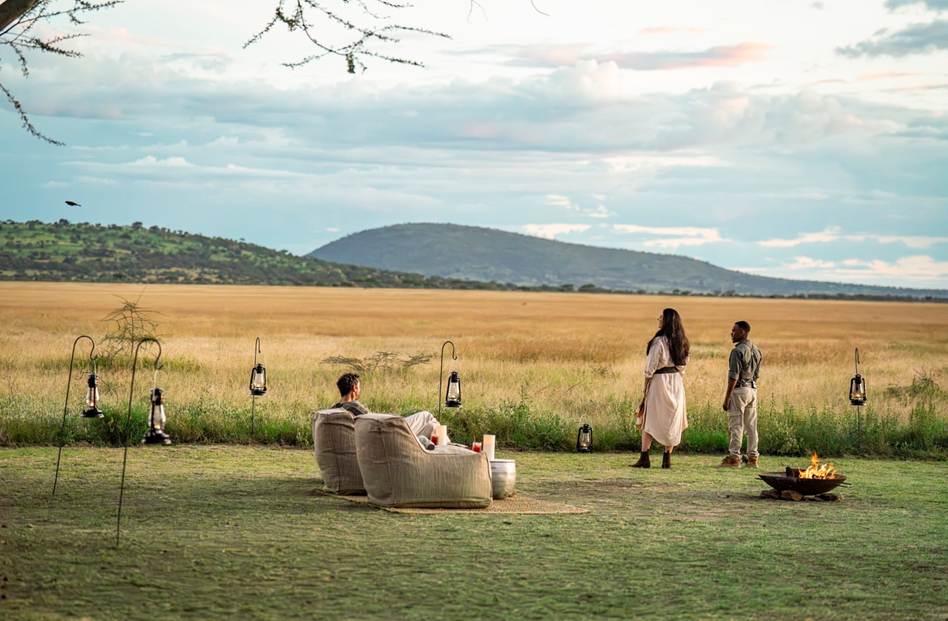
Kenya does not have four seasons in the conventional sense. It has rhythms the long rains, the short rains, the dry seasons, the extraordinary in-between weeks when the landscape is transitioning and the light is unlike anything else on earth. Understanding these rhythms is the difference between a safari with some good photographs and a safari that produces the kind of images you look at years later and still feel something.
Every season in Kenya unlocks a different visual world. The grasses change. The herds move. The quality and colour of the light shifts. The animals behave differently. Even the air changes after the first rains, there is a smell to the Mara that guests who have experienced it describe as one of the most powerful sense memories of their lives.
We build every Vard Africa photography itinerary around this understanding. We do not have a standard circuit. We have a conversation with you, about what you want to photograph and experience, about when you can travel, about what kind of experience you are ready for and then we build something specifically for that.
The Four Seasons of Kenyan Photography:
Kenya’s seasons are not obstacles to navigate. They are the point. Here is how we read them and what each one offers the photographer who is prepared.
01 THE GREAT MIGRATION SEASON:
July — October · Maasai Mara · Private Conservancies
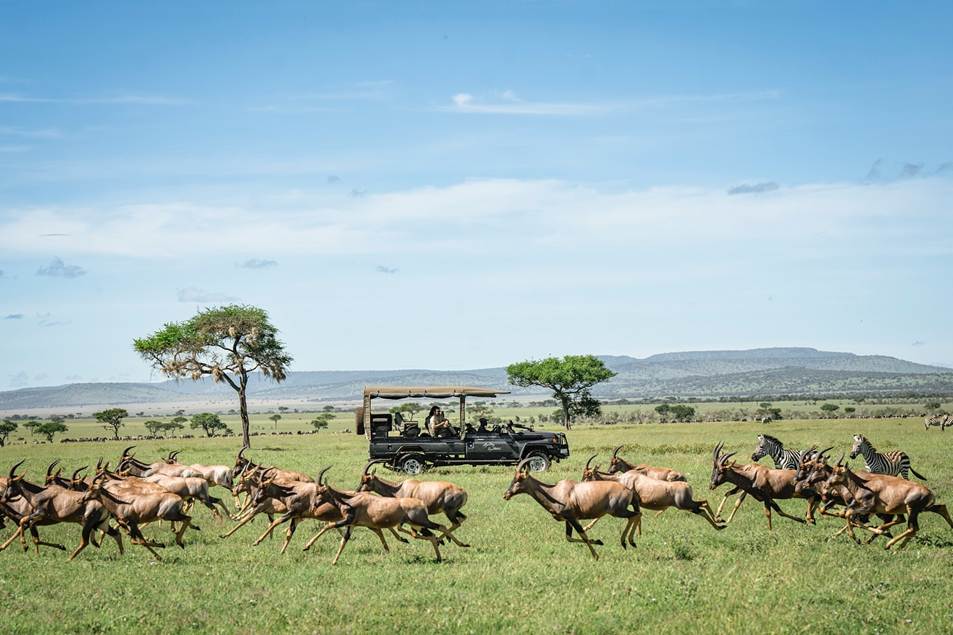
Between July and October, the Maasai Mara hosts Kenya’s chapter of the greatest wildlife spectacle on earth. Over two million wildebeest, zebra and gazelle pour north from the Serengeti in search of fresh pasture, and the Mara River crossings that follow the moment when columns of panicking animals plunge into fast brown water lined with crocodiles are among the most intensely dramatic wildlife events that a camera has ever been asked to capture. We have watched these crossings dozens of times with guests from across the world. We have never once seen anyone look away.
The serious photographer needs to understand something about the Migration that most guides do not tell you: the crossings are unpredictable. The herds approach the river, hesitate, retreat. They may return in twenty minutes or in two days. The photographers who get the great crossing shots are the ones who arrived early, positioned correctly, and stayed. Vard Africa guests do not share game vehicles. Your guide is yours alone. You stay as long as the crossing demands.
Beyond the crossings, the Migration season in the Mara is simply the finest big cat photography in Africa. The Mara’s resident lion prides some of the most studied and most-photographed in the world are extraordinarily active during these months, following the herds, hunting in the open, entirely relaxed around the low-profile vehicles that Vard Africa uses exclusively. Cheetah coalitions. Leopard sightings at dawn. The light in late October, as the season turns, is among the most extraordinary of the year.
02 THE GREEN SEASON:
November — December & March — May · Nationwide · The Hidden Kenya
The Green Season is Kenya’s most underrated photographic chapter and at Vard Africa, it is one that we encourage guests to consider seriously. When the rains arrive, Kenya transforms. The Mara plains burn a vivid, saturated green. The Laikipia Plateau becomes a rolling landscape of wildflowers and ancient fever trees. The sky and in Kenya, the sky is always part of the photograph fills with towers of cloud that catch the late afternoon light in extraordinary ways.
Most travellers avoid the Green Season because they have been told it is the wrong time. In our experience, it is often the right time for the guests who understand what they are after. The photography is different more atmospheric, softer, richer in colour. The bird photography is unmatched, with migrants arriving in force and species counts that will make any ornithological photographer question why they ever travelled anywhere else. And the exclusivity is real: fewer guests means your guide’s complete attention, undisturbed animal encounters, and a quality of experience at the finest lodges that reaches a genuinely personal level.
Calving season when the wildebeest and zebra herds drop their young in the southern Mara and the Serengeti during January and February is one of the most visually extraordinary and most dramatically neglected events in East African wildlife photography. The predator activity is relentless. The light at that time of year is clear and brilliant. Vard Africa guests who travel during calving season come home with photographs that consistently stop conversations.
03 THE DRY SEASON
June — September & January — February · Amboseli · Samburu · Tsavo · Mara
Kenya’s dry seasons are when the classic, iconic imagery of Africa is made. The long grasses recede. The bush opens up. Water sources contract, drawing the great herds to rivers and waterholes in concentrations that would have seemed implausible anywhere else on earth. For the wildlife photographer, this is the season of abundance and the season of the most technically challenging light, the hardest shadows, the dust hazes that can either ruin a shot or, in the right conditions, produce something extraordinary.
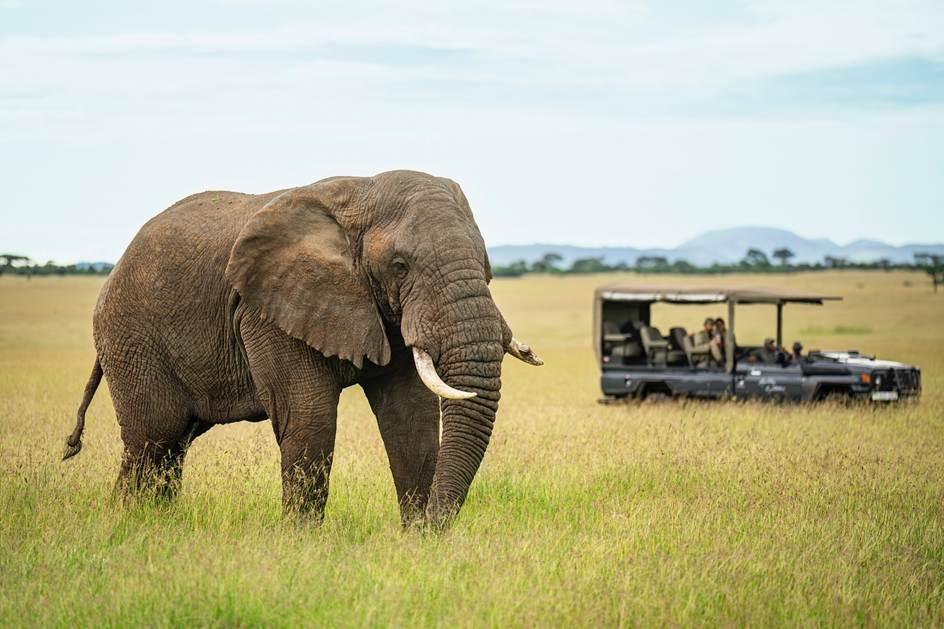
Amboseli in January and February deserves particular attention. The elephants here some of Africa’s largest and most studied herds are completely relaxed around vehicles, allowing portrait work of unusual intimacy. And on the clear mornings that follow the short rains, when Mount Kilimanjaro’s snows emerge from the cloud and glow rose gold in the first light above a herd of a hundred elephants moving across the dust-pale plain below this is, in our considered view, the single most iconic photographic composition in all of East Africa. We have designed specific itineraries around it. We have watched it produce tears.
Samburu, in Kenya’s north, offers the Dry Season photographer something genuinely unique: the Samburu Special Five reticulated giraffe, Grevy’s zebra, Beisa oryx, Somali ostrich, and the improbable gerenuk, which stands on its hind legs to browse acacia branches in a posture so strange it looks invented. The light in Samburu is harder and more ochre than in the south; the colours more intensely African. The Ewaso Ng’iro River, lined with doum palms, is one of the most photographically beautiful locations in Kenya. We know exactly when to be there.
04 THE SHOULDER SEASONS
May — June & October — November · Hidden Light · The Transition Kenya
Between Kenya’s peak seasons lie two brief windows that the photography-focused traveller should know about. May and June see the Mara transitioning from deep green to gold a palette of extraordinary subtlety that has no equivalent at any other time of year. The herds are building in the south, preparing for the Migration. The predators are active and unhurried. The lodges are quiet. And the light particularly in late May and early June is softer, more complex, and more rewarding than at almost any other time.
October is equally special. The Migration is beginning its southward retreat, leaving the Mara’s resident wildlife in undisturbed and deeply relaxed occupation. The short rains are approaching, and the sky fills with the dramatic evening light of transition thunderheads building over the escarpment, the plains below lit gold, the kind of sky that makes landscape photographers forget entirely that they came for wildlife. We have seen guests make their finest images of an entire safari in the shoulder seasons, in conditions that peak-season visitors never encounter, in a silence that peak season visitors never experience.
“Guests sometimes ask me which season produces the best photographs. I always ask them what they mean by best. If you mean the most dramatic, go in August. If you mean the most beautiful, come in October or May. If you mean the most surprising come in the Green Season and be ready to have everything you assumed about safari photography quietly overturned.”
— Samuel Koech · Senior Wildlife Photography Guide, Vard Africa ·
Kenya’s Greatest Photographic Destinations:
Kenya is not one landscape but many and each of its great photographic destinations has a completely distinct visual character, a completely different quality of light, and a completely different set of subjects that repay the serious photographer’s attention. Here are the places that define the Vard Africa Kenya photography experience.
01 THE MAASAI MARA & PRIVATE CONSERVANCIES:
The Mara is Kenya’s crown jewel, and the starting point of almost every Vard Africa Kenya photography itinerary. But we need to say something clearly: the National Reserve itself, while magnificent, is not where we base our guests. The private conservancies that border it Olare Motorogi, Naboisho, Mara North, Ol Kinyei are. Here, off-road driving is permitted. Night drives are available. Walking with an armed guide is possible. And your game drives take place in the complete absence of other vehicles. When a leopard makes a kill in the private conservancy, you and your guide are watching alone. When the Mara River crossing you have been waiting for finally begins, you are in position not in a queue of thirty vehicles. The quality difference is not incremental. It is absolute.
02 AMBOSELI NATIONAL PARK
No destination in East Africa produces the single most iconic composition in wildlife photography with the reliability of Amboseli. The combination of Africa’s most relaxed and studied elephant herds some of the largest on the continent against the snow-capped, impossibly majestic backdrop of Kilimanjaro has defined the imagery of Africa for generations. On a clear morning in January, when the mountain emerges at dawn and the light is low and warm and the dust of the elephant herds rises in soft columns against the white of the glaciers above, there is nothing to do but shoot. And then sit quietly for a while afterwards. Every Vard Africa guest who has been to Amboseli at dawn in the right conditions describes the experience in the same way: they were not ready for how it felt.
03 SAMBURU NATIONAL RESERVE
Samburu sits in Kenya’s north and feels, to guests arriving from the south, like a completely different country. The landscape is drier, more dramatic, more ancient feeling red laterite soil, doum palm forests, and the Ewaso Ng’iro River running green through a landscape the colour of rust. The light is harder and richer than in the Mara, and the Samburu Special Five offer the wildlife photographer genuinely unique subjects found nowhere else on earth. Vard Africa’s Samburu itineraries include private access to the riverbank at the finest times of day, exclusive fly camping arrangements, and access to guides who have been studying the wildlife here for decades. Samburu is less known than the Mara. In our experience, guests who visit it remember it just as long.
04 LAIKIPIA PLATEAU
Laikipia is Kenya’s most sophisticated and least-visited wildlife destination a vast mosaic of private conservancies and community lands north of the Rift Valley that together protect one of Africa’s most remarkable wildlife populations. Kenya’s largest concentration of black rhino. African wild dog. Grevy’s zebra. Hundreds of elephants. And a landscape of such quiet, rolling beauty that guests who visit it as part of a longer Kenya itinerary consistently describe it as the most unexpected part of their journey. The private conservancies of Laikipia permit activities that the national parks cannot: walking safaris on foot with an armed guide, night drives, horseback safaris alongside wildlife, and a quality of access to black rhino that is simply not available anywhere else in Kenya. For the photographer willing to go beyond the conventional circuit, Laikipia is the most powerful argument we know.
What to Bring — and What Actually Matters:
There are entire websites dedicated to safari photography equipment. We are not going to add significantly to that conversation. What we will say is this: in our experience, the difference between the best safari photographs and the merely good ones is almost never the equipment. It is the positioning. The timing. The patience of the guide. The quality of access.
That said, here is what we recommend from years of watching guests in the field.
Bring two camera bodies. Not because one will fail though it might but because active situations in the Kenyan bush do not allow time for lens changes. A crossing, a kill, a cheetah chase: these moments do not pause. Having a 500mm on one body and a 70–200mm on the other means you can respond to whatever happens without missing anything.
The most versatile lens on a Kenya safari is the 100–500mm zoom. It gives you reach for distant subjects and the flexibility to pull back when something extraordinary walks to within thirty metres of the vehicle which, in the Mara conservancies, happens more often than first-time guests expect. If you can bring only one telephoto, this is the one.
The most important accessory on a Kenya safari costs almost nothing: a beanbag. Resting your lens on a beanbag on the vehicle window eliminates camera shake in a way that no image stabilization system fully replicates. It is the single piece of equipment that most improves the photographs of guests who have not used one before.
Everything else the polarising filter, the carbon fibre monopod, the 512GB CFexpress cards matters. But less than the guide who positions your vehicle with the sun behind you, in the right place, at the right moment, having been there since 5am.
The Vard Africa Photography Experience:
We need to say something that most safari operators are reluctant to say.
The majority of luxury safari camps in Kenya even the finest ones are not designed specifically around photography. They are designed around a wonderful game drive experience, which is something genuinely different. The vehicles are comfortable. The guides are excellent naturalists. The sightings are real and extraordinary. But the lighting positions, the patience during a slow hour at a crossing, the willingness to spend a full morning in one location because the guide’s instinct says the light will change and something will happen these are not standard components of a luxury safari. They are standard components of a Vard Africa photography safari.
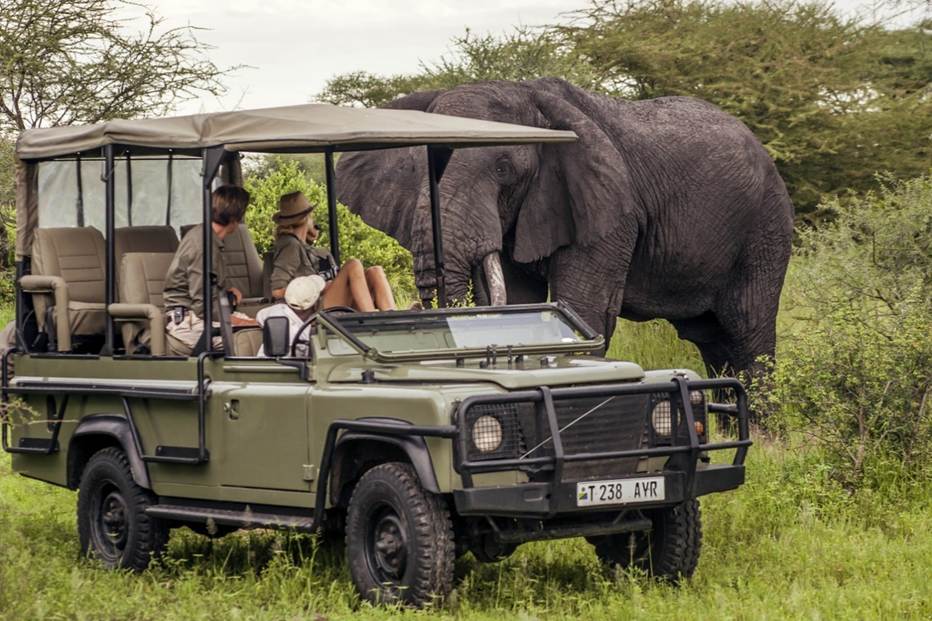
We match every photography guest with a guide whose specific expertise is the photographic experience. We use low-profile, open-sided vehicles with individual swivel seats and built-in beanbag rests. We position for light not just proximity. We brief guests the evening before on what the following morning is likely to offer and how to be technically ready for it. We stay as long as the situation demands.
We are based in Nairobi; Kenya We know every property we recommend personally. We know which camps have the best vehicle setups for photography, which conservancies have the least disturbance at the most photogenic locations, and which guides have the patience and the eye that makes the difference between a good morning and a transcendent one. This is not something we have read. It is something we have built, over years, in the field.
Our Most Sought-After Kenya Photography Itineraries:
Every Vard Africa itinerary is built around the specific guest, the specific season, and the specific photographic goals. There is no standard circuit. But these are the frameworks that our guests return to most consistently and the ones that have produced, in our experience, the most extraordinary results.
| THE MIGRATION MASTERCLASS 10 nights Mara North & Olare Motorogi Conservancies. Peak crossing season. Private vehicle. Specialist photography guide throughout. Dawn positioning every morning. This is the definitive Mara crossing experience. |
| THE KENYA ICONS 14 nights — Amboseli, Samburu & Maasai Mara combined. The three great photographic environments of Kenya in a single, perfectly-sequenced journey. Private air charters between all destinations. |
| THE LAIKIPIA IMMERSION 7 nights on the plateau — black rhino tracking on foot, night drives, walking safaris alongside elephant herds. The most exclusive and most surprising photography safari in Kenya. |
| THE GREEN SEASON SPECIAL November — Mara and Laikipia. Extraordinary light, near-empty conservancies, unmatched bird photography. For the guest who understands that the best version of Kenya is not the most crowded one. |
| THE KILIMANJARO DAWN 5 nights, Amboseli. The entire itinerary built around one composition: elephants beneath Kilimanjaro at first light. We know when the mountain is clearest. We know where to be standing when it is. |
All Vard Africa photography itineraries include private air charters between destinations, exclusive conservancy accommodation, private guiding throughout, and the full Vard Africa pre-arrival photography briefing a detailed conversation about your equipment, your goals, and what each destination will require from you technically. We want you to arrive ready.
Your Story, Written in Light:
We have been building Kenya photography experiences for years. We have watched guests who describe themselves as casual photographers come home with images that stop people in a room. We have watched professional wildlife photographers, people who have been to Africa a dozen times, arrive in the Mara conservancies at dawn and go completely silent.
Kenya does something to photographers that is very difficult to explain without sounding like we are selling something. It is not the wildlife density, though that is extraordinary. It is not the light, though that is unlike anywhere else on earth. It is the combination the sense that this landscape, this ancient, enormous, overwhelmingly alive landscape, is actively collaborating with your camera. That the images are not just captured but given.
The photographers who come home with the images they dreamed of are the ones who were prepared who understood the season, who trusted their guide, who were in position before the light arrived and patient enough to wait for the moment that always, eventually, comes.
We know how to build that experience. We have built it, specifically, precisely, for years. We cannot wait to build it for you.
The Maasai Mara at dawn. Amboseli beneath Kilimanjaro at first light. Samburu’s river at golden hour. These are not separate beautiful moments. They are the chapters of one extraordinary story and Vard Africa knows how to tell it.
Tell us what you dream to photograph.
We will take care of everything else.
