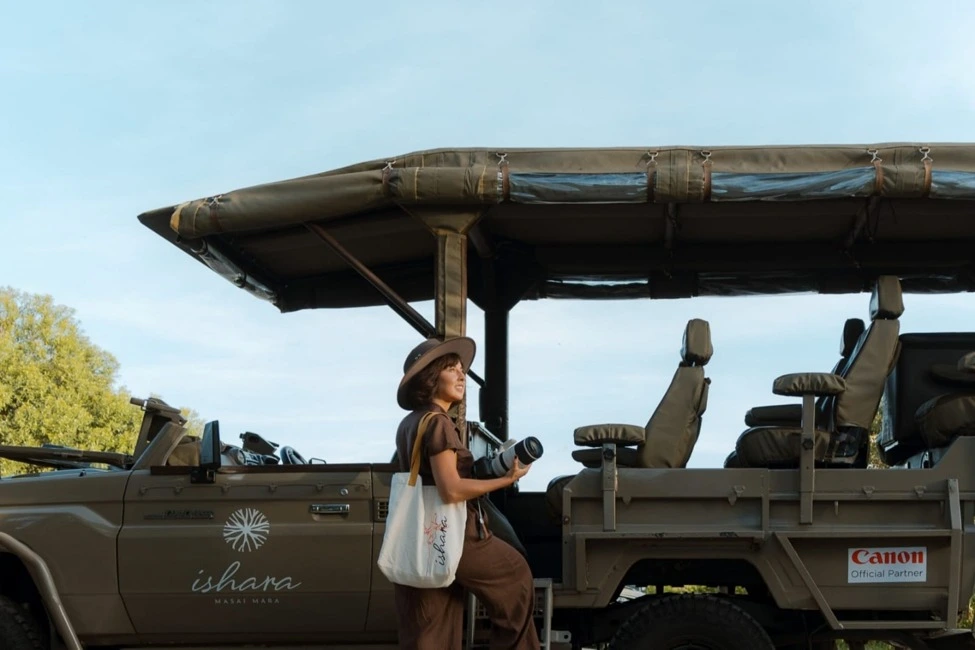
What to Pack for a Luxury Safari in Kenya.
Written from Nairobi, Kenya · By the Vard Africa Team · 2026.
What to Pack for a Luxury Safari in Africa — The Definitive Guide | Vard Africa
The only packing guide you will ever need for a luxury African safari. What to bring, what to leave behind, and the one item most guests forget — from Vard Africa’s team.
Pack light. Pack right. Arrive ready for the most extraordinary experience of your life.
The single biggest packing mistake luxury safari guests make is bringing too much.
It happens for understandable reasons. Kenya feels far. The bush sounds remote. And when you are packing for an experience of this significance something you have been planning for months, perhaps years the instinct is to prepare for every possible scenario and bring everything that might conceivably be needed.
The result, almost always, is a suitcase that is too large for the small bush plane that will carry you from Nairobi into the Maasai Mara, clothes that are inappropriate for the bush, and the mild embarrassment of realizing as you sit in your extraordinary camp watching the sun set over the savannah that you are wearing entirely the wrong thing and none of what you overpacked actually matters.
This guide is our attempt to save you from all of that. It is the packing advice we give personally to every Vard Africa guest before their departure built from years of watching what people actually use in the bush, what the finest camps in Kenya expect of their guests in terms of dress, and what the environment itself requires of anyone who wants to move through it with ease and intelligence.
The good news is this: packing for a luxury Kenya safari, done correctly, is one of the more pleasurable parts of the preparation. The list is smaller than you think. And every item on it has a purpose.
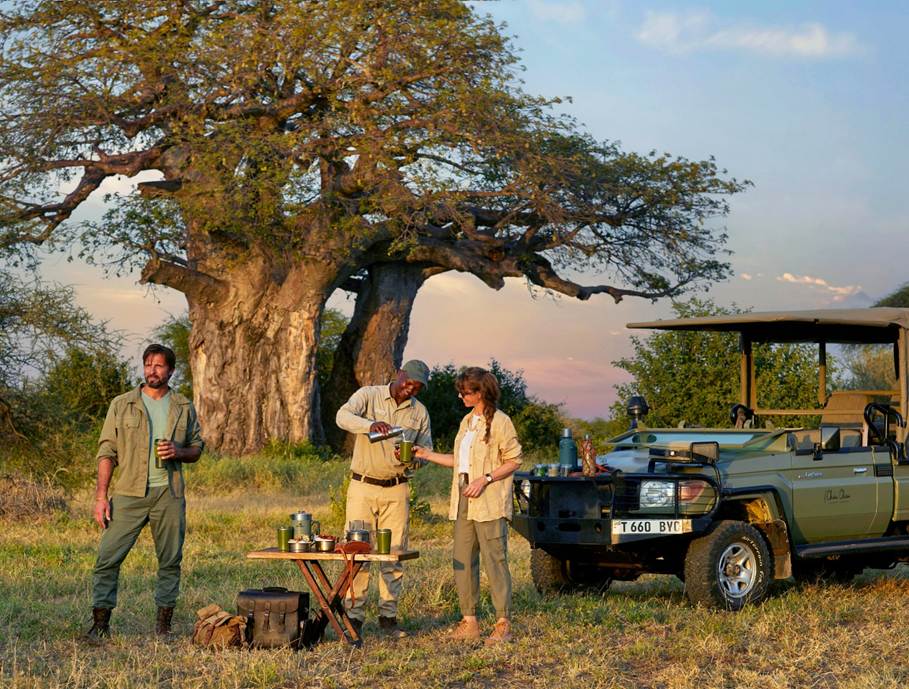
A well-packed safari bag is an act of intention. It says: I know where I am going. I have thought about what I will need there. I am ready to be fully present in one of the most extraordinary places on earth.
The Golden Rules — Before You Open Your Wardrobe:
There are five principles that govern every good safari packing decision. Understand these first and every specific item on the list will make immediate, intuitive sense.
Rule One — Neutral colours only:
This is the single most important rule in safari dressing and the one most frequently ignored by first-time guests. Bright colours reds, oranges, whites, electric blues are inappropriate in the bush for reasons that are both practical and deeply respectful of the environment.
Practically, certain colours attract insects. Aesthetically, vivid colours disturb wildlife and affect the quality of your game drive experience not just for you, but for other guests in the area. And in terms of photographic outcomes, the guest in khaki sitting low in the vehicle will always get a better photograph than the one in a white shirt that the light bounces off from fifty metres.
The palette of a well-dressed safari guest is drawn entirely from the landscape itself: sand, stone, khaki, olive, sage, tobacco, rust, warm grey. These are not restrictions they are, in the hands of someone with a good eye, quietly elegant colours that look extraordinary against the backdrop of the Mara.
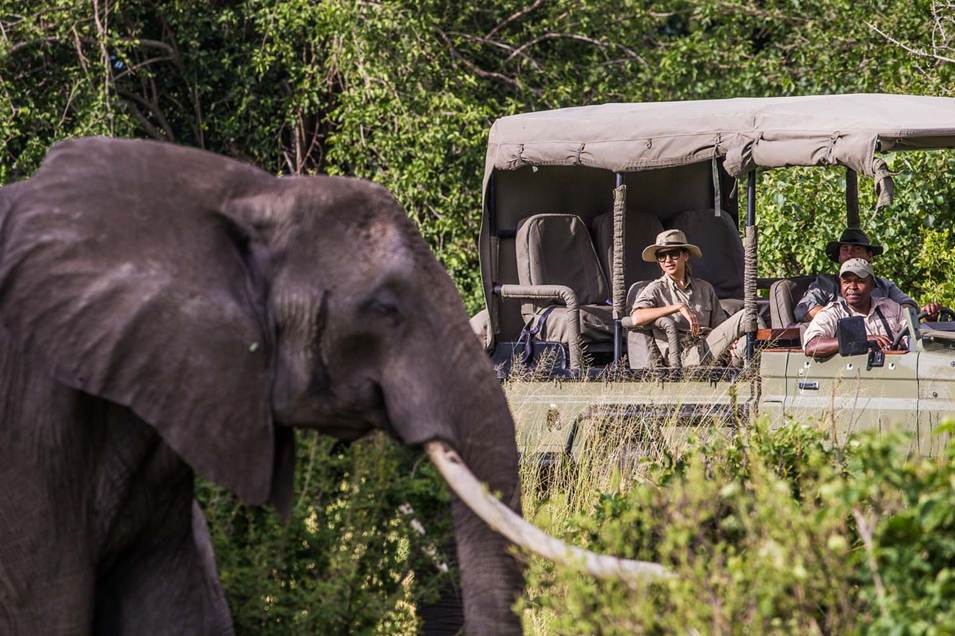
Rule Two — Layers, always layers:
The Maasai Mara exists at altitude roughly 1,600 metres above sea level. This means that a single day in the bush can move through a temperature range that surprises almost every first-time visitor. Pre-dawn game drives can require a warm fleece and gloves in July. By 10am the same day the sun is fierce enough to demand shade, a hat and high-factor sunscreen.
The answer is not a larger wardrobe. It is a layered one. A light base layer, a long-sleeved shirt, a fleece or lightweight down jacket for mornings, and a hat that can be packed into the door pocket of the game drive vehicle. You will be surprised how few items, worn strategically, are needed for complete comfort across an entire week in the bush.
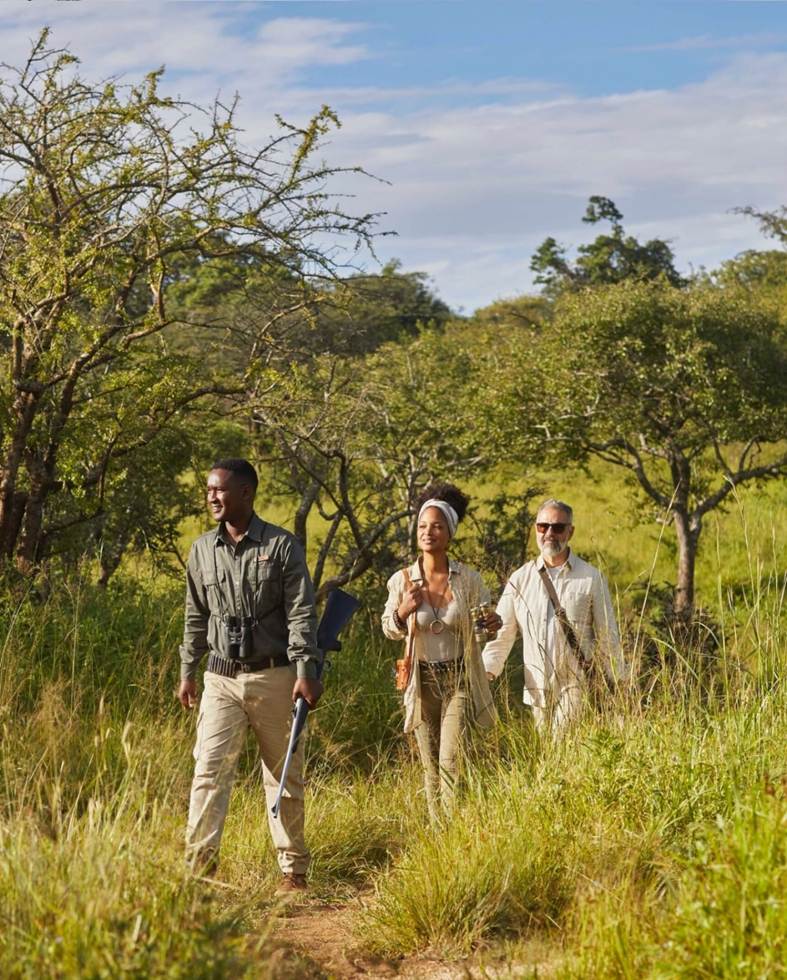
Rule Three — Pack for the weight limit
This is the rule that most surprises luxury travellers who are accustomed to checking large suitcases at international airports. Bush planes the small charter aircraft that connect Nairobi to the Mara and other safari destinations across Kenya operate under strict weight limits, typically 15kg total per person including hand luggage. Some operators allow slightly more; some slightly less.
This means: a soft-sided duffel bag, not a hard-shell suitcase. The finest camps provide excellent daily laundry service, which means you need far fewer changes of clothes than instinct suggests. Five nights in the bush can be managed beautifully with four or five key pieces, layered and laundered.
Rule Four — Comfort over fashion
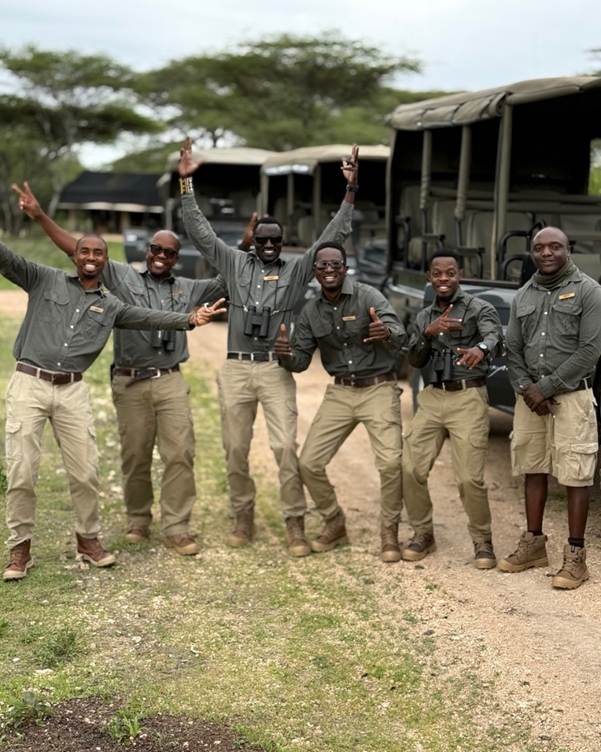
The bush is not a catwalk. It is also not a place where the distinction between dressed well and dressed correctly is particularly meaningful. What matters in the Mara is that you can move freely, stay comfortable across a wide temperature range, protect yourself from the sun and insects, and feel at ease whether you are on a five-hour game drive or sitting at a sundowner on a kopje at dusk.
That said and this is important comfort and elegance are not mutually exclusive. The finest safari brands produce clothing that is beautifully cut, correctly coloured, and entirely functional. Dressed in well-chosen neutral pieces, a safari guest can look and feel genuinely wonderful in the bush without compromising a single practical consideration.
Rule Five — The camps provide more than you think
The finest luxury camps in Kenya provide a great deal that guests often plan to bring themselves. High-quality mosquito repellent, sunscreen, basic medical supplies, laundry service, hairdryers, quality toiletries, robes and slippers all of these are typically provided. Before you pack them, check with your camp or ask your Vard Africa team what is supplied. The answer is usually reassuring.
| “Every season I see guests arrive at Wilson Airport with enormous suitcases that won’t fit in the plane hold. The conversation at check-in is never comfortable. We now send every guest a packing note the moment their flights are confirmed not because they aren’t capable of packing themselves, but because the bush plane weight limit is genuinely the thing that catches people out, even very experienced travellers.” — Cate Wambui · Vard Designer — Vard Africa. |
The Vard Africa Packing Lists — By Category
What follows are the definitive packing lists for a luxury Kenya safari built from years of on-the-ground experience and refined through the feedback of hundreds of Vard Africa guests. Every item on these lists earns its place. Nothing is padding.
| CLOTHING — THE CORE WARDROBE |
| — 2–3 lightweight long-sleeved safari shirts -Neutral tones. Cotton or technical fabric. Long sleeves protect from sun and insects on drives. |
| — 1–2 short-sleeved shirts or blouses -For warmer afternoons and camp evenings. |
| — 2 pairs of lightweight safari trousers or chinos -Neutral. Comfortable for long hours seated in a vehicle. |
| — 1 pair of comfortable shorts or a light skirt -For relaxed afternoons in camp. |
| — 1 warm fleece or lightweight down jacket -non-negotiable for pre-dawn game drives, especially June–September. |
| — 1 light rain jacket or windbreaker Compact and packable. The Mara can produce unexpected afternoon showers. |
| — 3–4 sets of base layers and underwear Quick-dry fabrics preferred. Laundry is available daily at most luxury camps. |
| — 1 smart-casual outfit for special dinners Bush dinners and celebration evenings occasionally call for something slightly more refined. Light linen or cotton works beautifully. |
| — 1 pair of lightweight pyjamas Tents can be cool at night. Camp provides duvets and extra blankets on request. |
| — A light warm hat and gloves For early morning drives in the cooler months. Small, lightweight, transformative. |
| FOOTWEAR — KEEP IT SIMPLE |
| — 1 pair of sturdy walking shoes or light ankle boots For walking safaris and moving around camp on uneven ground. |
| — 1 pair of comfortable sandals or slip-ons For use around camp, at the pool, and relaxed evenings. |
| — Optional: 1 pair of lightweight trainers If you expect significant walking. Otherwise, the shoes above are sufficient. |
| SUN & INSECT PROTECTION |
| — High-factor SPF 50+ sunscreen The East African sun at altitude is significantly more intense than it feels. Reapply frequently. |
| — DEET-based insect repellent Most luxury camps provide this, but bringing your own preferred brand is wise. |
| — A wide-brimmed hat One of the most important items in your bag. It protects your face, neck and shoulders across long game drives. |
| — UV-protective sunglasses Quality lenses matter — the glare on the open savannah at midday is significant. |
| — Insect repellent wristbands or roll-on For evenings around the fire when mosquitoes are most active. |
| HEALTH & PERSONAL MEDICAL |
| — Prescribed malaria prophylaxis Consult your travel health doctor at least six weeks before departure. |
| — Personal prescription medications Bring more than you need. Remote camps cannot source specific medications. |
| — Antihistamines For insect bites, dust or unexpected allergic reactions. |
| — Rehydration sachets Dehydration is easily underestimated in the bush heat. |
| — Blister plasters and basic first aid Most camps have full first aid kits but personal supplies are always wise. |
| — Hand sanitiser Compact and useful, particularly before bush meals. |
| PHOTOGRAPHY & TECHNOLOGY |
| — Camera with telephoto lens If photography is a priority. A 100–400mm lens covers most wildlife situations beautifully. |
| — Extra memory cards and batteries You will take more photographs than you expect. Bring more storage than you think you need. |
| — A small lightweight tripod or bean bag For stabilized long-lens shots from the vehicle. Bean bags are ideal for vehicle window rests. |
| — Binoculars A quality pair transforms the game drive experience entirely. Your guide will have a pair — a personal set allows you to look independently. |
| — Universal power adapter Kenya uses UK-style three-pin plugs. Most camps provide adapters — confirm with your camp. |
| — Portable power bank For charging devices on game drives if your camp does not have in-vehicle charging. |
| — A dust-proof bag or case for electronics Bush roads generate significant dust. Protect your equipment. |
| TOILETRIES & PERSONAL CARE |
| — Minimal, travel-sized toiletries Most luxury camps provide premium toiletries. Bring personal preferences only. |
| — Lip balm with SPF Often forgotten and deeply missed — the dry bush air affects lips quickly. |
| — Moisturiser The combination of sun, dust and open-air vehicles dries skin rapidly. |
| — Biodegradable soap and shampoo Many conservancies and eco-conscious camps request environmentally considerate products. |
| — Glasses or contact lenses with spares And a glasses case that closes securely — dust is ever-present. |
| DOCUMENTS & ESSENTIALS |
| — Passport Valid for at least six months beyond travel dates. |
| — Kenya ETA / Visa documentation Printed and digital copy. Vard Africa assists all guests with this process. |
| — Travel insurance documents Including emergency medical evacuation coverage — essential for safari travel. |
| — Emergency contact card Vard Africa’s 24-hour ground contact number. We provide this to every guest before departure. |
| — Cash in USD or KES For tips and any personal purchases. Camps and guides appreciate cash tips. |
What to Leave at Home:
This section is, in our experience, just as valuable as the packing list. The items below are ones that guests frequently bring to Kenya and rarely use or that actively detract from the experience in ways they did not anticipate.
| LEAVE AT HOME — WHAT NOT TO BRING ON SAFARI |
| ✕ Hard-shell suitcases or large rolling luggage Will not fit in the hold of a bush plane. A soft duffel of 15kg maximum is the rule. |
| ✕ Bright or white clothing of any kind Attracts insects, disturbs wildlife, and marks you immediately as someone who has not done their research. |
| ✕ Strong perfume or cologne Scent carries far in the still morning air of the bush and can disturb wildlife on a walking safari. |
| ✕ Heavy jewellery or valuable accessories Not appropriate for the environment and creates unnecessary worry about loss or damage. |
| ✕ Camouflage or military-style clothing Illegal in Kenya and several other East African countries. A firm rule — not a suggestion. |
| ✕ Excessive electronics and chargers The bush is one of the last places on earth where disconnecting is not just possible but actively encouraged. |
| ✕ Anything you would be devastated to lose or damage The bush is dusty, occasionally damp, and entirely indifferent to the retail value of your possessions. |
Packing by the Season — What Changes Throughout the Year.
The core packing list above applies year-round to a Kenya safari. But the season in which you travel shifts the emphasis of certain items significantly. Here is what our team advises for each travel window.
June to October — Dry Season
This is the coolest period in the Mara, particularly in June and July when pre-dawn temperatures can drop close to 10 degrees Celsius. Your warm fleece and gloves are non-negotiable. Layers are everything. The landscape is dry and dusty protect your electronics, your eyes, and your skin accordingly. The dust also means neutral clothing that was merely advisable becomes practically essential anything light-colored will be a different colour by day two.
November to December — Short Rains
Pack your compact rain jacket. The rains are typically short and dramatic a heavy afternoon shower followed by clear skies and extraordinary light. A waterproof cover for your camera bag is worth including. This is also one of the most photogenically beautiful periods in the Mara the light after rain on a green landscape is unlike anything in the dry season.
January to March — Green Season
The rains have passed and the landscape is lush and warm. This is the most forgiving season in terms of temperature fewer extreme cold mornings, comfortable afternoons. Lighter layers suffice. This is also the season when the long grass makes on-foot walking safaris particularly atmospheric your ankle boots will earn their place in the bag.
April to May — Long Rains
If you travel during the long rains, pack with waterproofing as a priority. A quality rain jacket, waterproof bags for electronics, and quick-dry fabrics throughout. The dramatic skies and deserted camps of this season are genuinely extraordinary but the packing list shifts accordingly.
| FROM THE VARD AFRICA TEAM “We once had a guest a very well-travelled gentleman from Canada who arrived at Wilson Airport for his bush flight with a full-sized hard-shell suitcase and a separate garment bag. He had packed for every conceivable scenario including three formal dinner jackets. The conversation at check-in was one we both remember. He left the suitcase in storage at the Nairobi Serena hotel and flew into the Mara with a borrowed duffel containing the essentials. He told us on his return that the three days he spent in those borrowed clothes were the three best days of his life. He has been back three times since.” — Pauline Njambi -Vard Africa concierge Team, Nairobi |
A Final Word on Packing
There is a moment it happens to almost every guest, usually on the second or third morning in the bush when you realise that everything you actually need for a profoundly good day is already here. The vehicle. The guide. The light coming up over the Mara. The coffee in your hand.
In that moment, the perfectly curated bag sitting in your tent becomes irrelevant in the most liberating possible way. You did not come to Kenya for the contents of a suitcase. You came for something the suitcase cannot carry.
Pack thoughtfully. Pack lightly. And then put the bag in the tent and forget about it entirely.

The guest who arrives in africa with a small, well-chosen bag and an open mind will always have a better safari than the one who arrives perfectly equipped for every eventuality. Africa rewards presence. Not preparation.
| READY TO START PACKING? Let Vard Africa take care of everything else. Your safari awaits. |